Terrariums
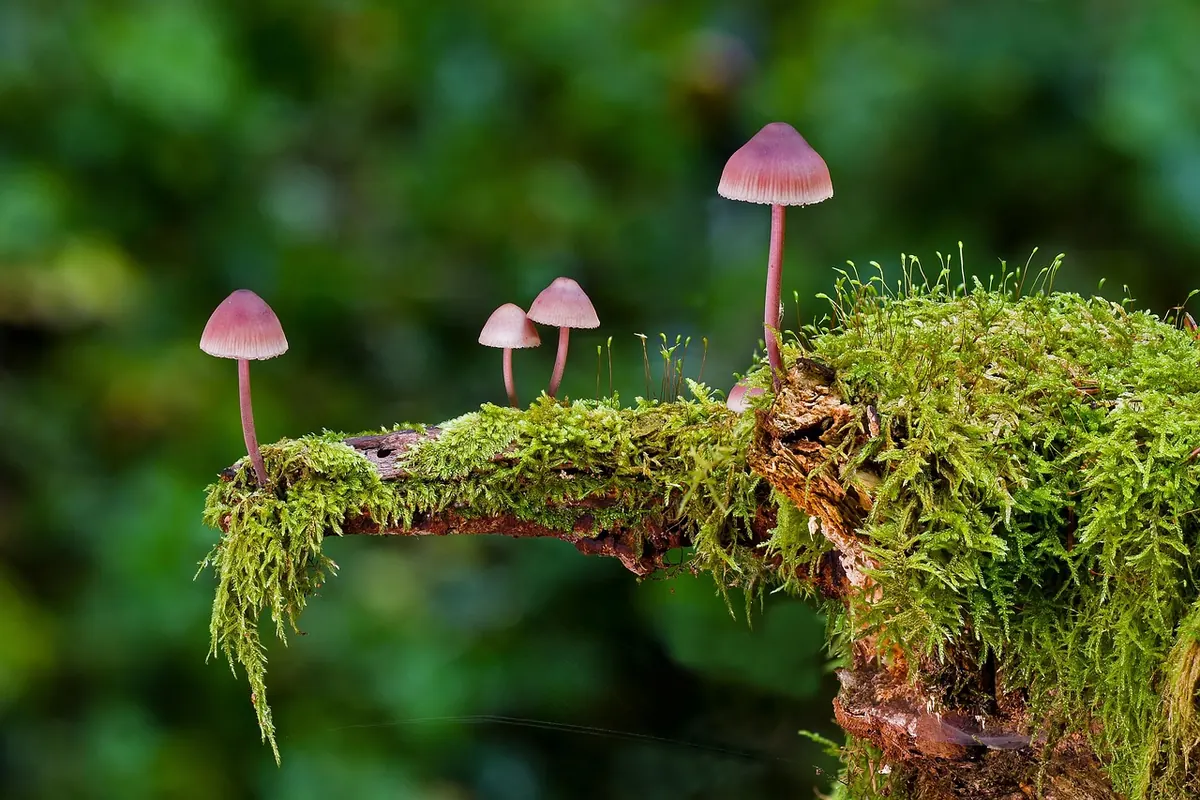
Sphagnum or Sheet Moss? Choosing the Right Moss for Your Terrarium
Choosing moss for a terrarium can feel like choosing paint for a room: the colour matters, but so does how it behaves on the wall. Sphagnum and sheet moss are the two names most people meet first, and they are not interchangeable. One is a bog specialist that holds water like a sponge; the other is a creeping carpet that prefers steady humidity and a firm surface. Get the match right and your terrarium looks settled from the start. Get it wrong and you spend weeks fighting browning patches, mould, or a moss that simply will not knit together.
Start with the terrarium, not the moss
Before you buy either, look at the container. A closed jar or bottle traps moisture, so humidity stays high and you will water rarely. An open bowl or geometric glass dries faster and needs more attention. The substrate matters too. Sphagnum thrives in acidic, low-nutrient conditions; sheet moss is more tolerant of ordinary potting mix. Ask yourself how often you will realistically mist. If the answer is once a fortnight, sheet moss is the kinder choice. If you are building a boggy paludarium or a propagation box, sphagnum will feel at home.
Also consider light. Sphagnum often colours up beautifully under bright, indirect light, but it can scorch in direct sun. Sheet moss generally prefers lower light and can fade or crisp if exposed to strong midday sun. Airflow is another factor: closed terrariums have little, so you must watch for mould; open terrariums have more, which suits sheet moss but can dry out sphagnum quickly. Think of the whole microclimate, not just the moss itself.
Sphagnum: the moisture sponge
Live sphagnum is not the same as the dried sphagnum moss sold in blocks for orchids and reptiles. Live sphagnum is a growing plant: pale green, sometimes flushed pink or red, with starry heads and long stems. It grows upright and sprawling, forming soft hummocks rather than a flat carpet. It wicks water from below and holds it in large cells, which is why it feels cool and spongy.
Water needs are high and consistent. Keep the base damp, but avoid stagnant, sour water. Rainwater, distilled water or reverse-osmosis water is best; hard tap water and fertiliser can turn it brown. The visual effect is wild and boggy, perfect for a wet hollow, a carnivorous plant setup, or the land area of a paludarium. Sphagnum can overwhelm small seedlings, so trim it back. Do not press it down like a carpet. It needs air around its stems, and compacted moss often rots.
One of sphagnum's superpowers is its ability to regenerate. If a piece breaks off, it can root and grow anew, as long as conditions are wet enough. That makes it useful for filling gaps, but also means it can spread aggressively. In a small terrarium, you may need to pull out handfuls every few months to keep it in check. It also acidifies its surroundings over time, which is great for acid-loving plants like Venus flytraps or sundews, but less welcome for ferns that prefer neutral soil.
Sheet moss: the flat green carpet
Sheet moss is a catch-all name. In the UK it often means Hypnum cupressiforme, a feathery, creeping moss that forms dense, flat mats. In other regions, it may refer to species like Thuidium (fern moss) or Plagiomnium (palm moss). The key is that it grows horizontally, hugging surfaces. It has a softer, more uniform look than sphagnum, with tiny leaves that create a velvety texture.
Sheet moss prefers moderate, consistent moisture and good air circulation. It can tolerate slightly lower humidity than sphagnum, but it will crisp up if left dry for too long. It attaches to wood, stone, and soil, but needs a stable surface to knit into. Unlike sphagnum, it does not like being waterlogged; its roots (rhizoids) can rot in soggy, stagnant conditions. It is ideal for forest-floor scenes, open terrariums, and living walls where you want a clean, green carpet.
To establish sheet moss, press it firmly onto the substrate and mist regularly until it grips. You can also blend it with a little buttermilk or water and paint it onto rocks, a technique known as a moss milkshake, though results are slower. Once settled, it is relatively low-maintenance. Trim any brown patches to encourage new growth, and remove debris that can smother it.
Quick comparison: which moss for which job?
- Closed terrarium (high humidity, low airflow): Sheet moss is usually easier. Sphagnum can work, but it may grow too fast and demand frequent trimming.
- Open terrarium (lower humidity, more airflow): Sheet moss, provided you mist often. Sphagnum will dry out unless you keep its base constantly wet.
- Paludarium or bog garden: Sphagnum excels here. It loves the wet, acidic conditions and creates a natural transition from water to land.
- Propagation box or seed tray: Sphagnum is the classic choice. It keeps humidity high and has natural anti-fungal properties, though it can crowd small cuttings.
- Forest floor or woodland scene: Sheet moss gives the flat, carpeted look. Sphagnum would look out of place unless you are mimicking a bog.
Common mistakes and how to avoid them
Mould is the enemy of any terrarium. It usually appears when there is too much water, too little airflow, or dead plant matter. With sphagnum, keep the moss alive and healthy; dead sphagnum turns brown and invites mould. With sheet moss, avoid waterlogging and remove any fallen leaves. Springtails are a great addition: these tiny arthropods eat mould and keep the terrarium clean.
Browning can mean different things. In sphagnum, brown tips often mean the water is too hard or the moss is drying out. In sheet moss, browning usually signals dryness or too much direct light. Adjust your care accordingly. Do not fertilise either moss; they get nutrients from dust and water, and fertiliser will burn them.
Another mistake is mixing the two without thinking. Sphagnum's high water needs can rot sheet moss, while sheet moss's preference for airflow can dry out sphagnum. If you want both, create distinct zones: a wet hollow for sphagnum and a drier mound for sheet moss.
Final thoughts
There is no single "best" moss. The right choice depends on your container, your climate, and how much time you want to spend fussing. Sphagnum is for the wet, wild, and boggy; sheet moss is for the calm, green, and carpeted. When in doubt, start with a small patch of each in separate terrariums and see which one thrives in your home. Your terrarium will tell you what it likes.
Photo: adege / Pixabay