Care Guides
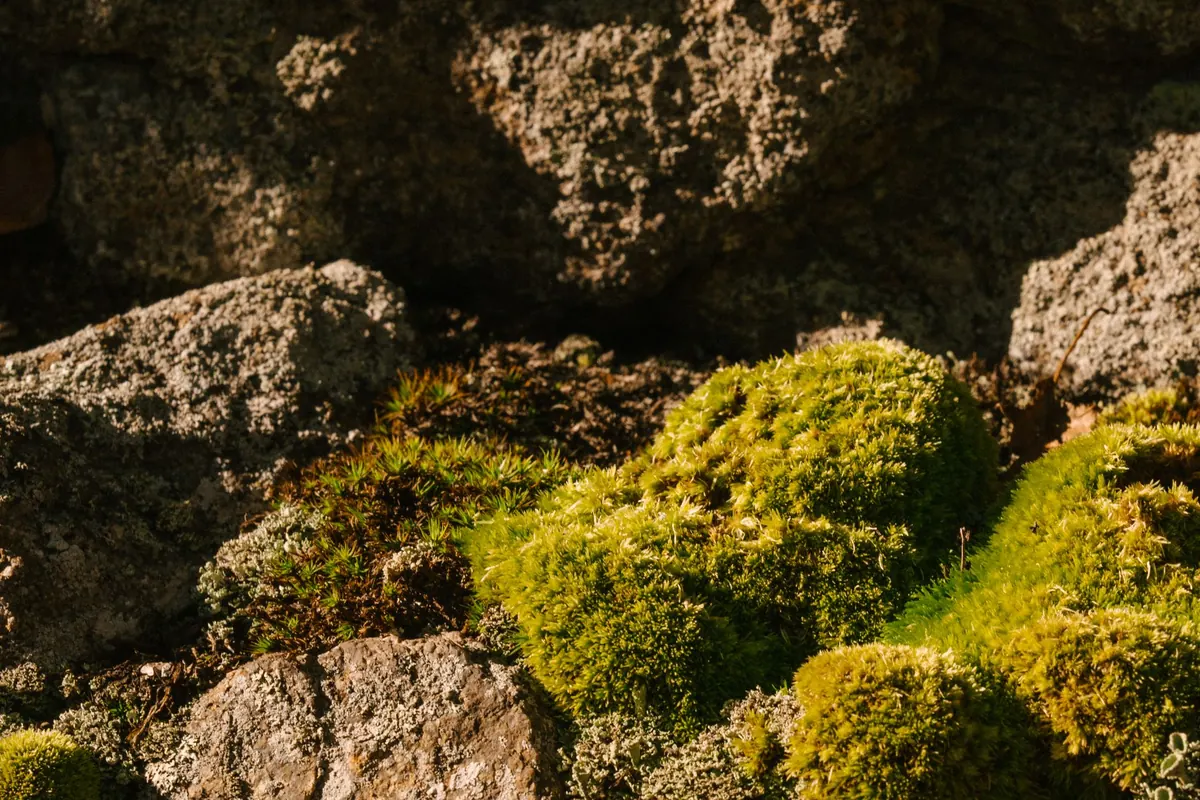
Why Is My Moss Turning Brown? Diagnosing the Five Most Common Causes
Why Is My Moss Turning Brown? Diagnosing the Five Most Common Causes
Few things undo a good gardening mood faster than a moss carpet that has turned the colour of a digestive biscuit overnight. The good news is that moss rarely lies. Squeeze a pinch of it and the answer is usually already in your hand: brittle and crackling means too little water, slippery and sour means too much, and a crisp brown fringe on a sun-facing edge means the weather has simply cooked it.
What matters is the pattern, not the brown itself. Each cause leaves its own signature, and treating the wrong one can finish a colony off — watering a waterlogged patch is a dependable way to turn brown moss into no moss at all. Work through the five causes below in order and you will usually have your answer within a day.
First Test: Squeeze It
Before you diagnose anything, get physical. Take a pinch from the middle of the patch rather than the edge, and rub it between finger and thumb.
- Dry, light and crackling. The moss crumbles and the cushion lifts slightly from its surface. This is a water problem — drought, scorch or natural dormancy.
- Damp, slimy or spongy. It smells sour or pondy and comes away as a soft mat. This is a drainage problem, with decay possibly already under way.
- Crusted or gritty. A pale, chalky film or a rough layer of silt points towards contamination.
Then water a small corner thoroughly, cover it with a cloche or an upturned tub, and wait a day. Moss that greens up within a few hours was simply dry. Moss that is still brown after twenty-four hours in damp air is brown for another reason.
Cause One: Drought and Desiccation
Mosses take in water across their whole surface rather than through roots, and they have no waxy skin to ration it. They dry out with the air around them and rehydrate when rain returns, which makes them far tougher than they look — but also quick to discolour when a dry spell runs long.
The colour fades from green to sage, then to straw or pale brown. Tips curl inwards, cushions shrink, and the underside often stays green even when the top looks lost. Speed of recovery is the giveaway: half an hour after a good soak, drought-stressed moss is usually recognisably green again.
Water deeply and less often. A thorough evening soak two or three times a week in a heatwave beats a daily flick of the spray bottle, and moving containers into afternoon shade saves you most of the work.
A moss lawn on sandy soil, for example, can crisp in a single windy afternoon, while a shaded wall moss may survive weeks without rain. That difference is not species magic; it is exposure. If the brown runs across the whole patch rather than collecting on one side, drought is the first suspect.
Cause Two: Scorch and Heat
Scorch looks similar from a distance and quite different up close. The brown is warmer — orange, rust or tan rather than straw — and it appears in patches that face the sun while the shaded side of the same cushion stays green. South and west-facing walls, dark roof tiles, metal edging and gravel are the usual crime scenes, especially when strong sun follows a drying wind.
Watering at midday does not help. Droplets sit on thin leaves in full sun and the moss loses more to evaporation than it gains, so water early morning or after sunset instead. Once the tips have scorched they will not turn green again, but that is rarely a disaster: new growth pushes from the base and gradually buries the brown. Add summer shade with a cloth, a small fern or a lighter-coloured mulch, then leave it for a season.
Container moss is especially vulnerable. A black plastic pot against a warm wall can reach temperatures that would never occur in open ground, and the result is a brown ring on the sunward side while the back stays green. Moving the pot a few inches into shade, or wrapping it in a lighter material, can be enough to stop the damage.
Cause Three: Waterlogging and Sour Compost
A waterlogged moss reads almost black rather than brown. It feels slippery, lifts away from its surface with no resistance, and smells sour when you peel back a corner. The brown here is often a secondary symptom: roots and lower stems have begun to rot, and the green tips are simply the last part to go.
Waterlogging usually comes down to a container with no drainage, a compacted clay pan, a downpipe outlet, or a mulch that stays wet. Check by pushing a finger into the base; if water squeezes out or the soil smells like an old vase, drainage is the problem. Moss can tolerate damp, but it cannot tolerate stale, airless wet.
Stop watering immediately and improve airflow. Raise pots onto feet, drill extra drainage holes, remove any smothering mulch, and repot soggy colonies into a gritty mix. If the brown has turned to slime, lift away the worst parts, rinse the healthy green fragments, and replant them in fresh, free-draining material. Do not feed the patch — fertilizer will only worsen the burn on already stressed moss.
Cause Four: Contamination, Salts and Chemical Burn
If the squeeze test left a gritty or chalky residue, look at what is landing on the moss. Tap water in hard water areas leaves lime and salts; fertilizer runoff, dog urine, cement dust, pressure-washed paving, and copper or zinc from roofs or treated timber can all burn moss. The signature is a crusty surface, a white or yellow film, and brown patches that follow splashes, drips, or a path rather than the sun.
Moss has no roots to buffer salts, so a strong dose goes straight into the leaves. Rinse the area with rainwater, flush containers thoroughly, and remove any contaminated top layer. Where runoff is the source, redirect the water or create a small gravel buffer. If copper or zinc is involved, remove the source; repeated exposure will keep killing new growth no matter how well you water.
Cause Five: Natural Dormancy and Seasonal Browning
Not every brown moss is dying. Many mosses go dormant in summer or in freezing winter, turning brown or bronze while keeping their structure intact. The cushion stays tight, the base is green or pale, and the brown is even across the whole patch rather than concentrated on sunny or wet edges. When rain and mild temperatures return, it rehydrates and greens up.
Some species also brown as they produce capsules or after a long dry autumn. If the moss is firm, not slimy, and shows no crust, it may simply be waiting. Give it time, keep foot traffic off it, and judge it again after a week of normal weather. Panicking and pulling it out is the one treatment that turns temporary dormancy into permanent loss.
A Quick Diagnostic Sequence
If you are still unsure, run through this order. It saves you from treating the wrong cause.
- Squeeze the middle of the patch. Dry and crackling means drought; damp and sour means waterlogging; gritty means contamination.
- Look at the pattern. Brown on south-facing edges and warm tones suggests scorch. Brown across the whole cushion suggests dormancy or drought. Brown in drips and splashes suggests salts.
- Soak a test corner and cover it. If it greens overnight, the cause was dryness. If it stays brown or turns softer, suspect rot, burn or dormancy.
- Check the site. Look for downpipes, dark pots, fertilizer bags, roof runoff, and compacted soil.
- Wait one week after correcting the obvious problem. Moss recovers slowly from the base. New green growth is the real sign of success.
Prevention: Keeping Moss Green Through the Year
Most browning is easier to prevent than to reverse. The trick is to imitate the cool, humid, shaded conditions moss evolved in, without letting it sit wet.
- Water in the morning or evening, not at midday. Deep, occasional soaks are better than daily misting.
- Use rainwater where possible. It avoids lime and salt buildup, especially on containers and walls.
- Improve drainage before you plant. Grit, bark, and raised pots prevent the sour, black rot that follows standing water.
- Provide dappled shade in summer. A fern, a slatted bench, or a piece of shade cloth can be enough.
- Keep fertilizers and chemicals away. Moss is not a lawn; it does not need feeding, and runoff will burn it.
- Remove leaves and silt gently. A soft brush or a light rinse beats scrubbing, which tears the cushions.
Brown moss is a message, not a verdict. Read the pattern, fix the cause, and give the colony a season to answer.
In most gardens, moss comes back from the base long after the brown tips have been forgotten. If the patch is firm, free of slime, and showing even a faint green haze at its centre, you are already on the right track. Correct the water, light or contamination problem, keep your hands off it for a few weeks, and the green will usually return on its own.
Photo: Marta Wave / Pexels